
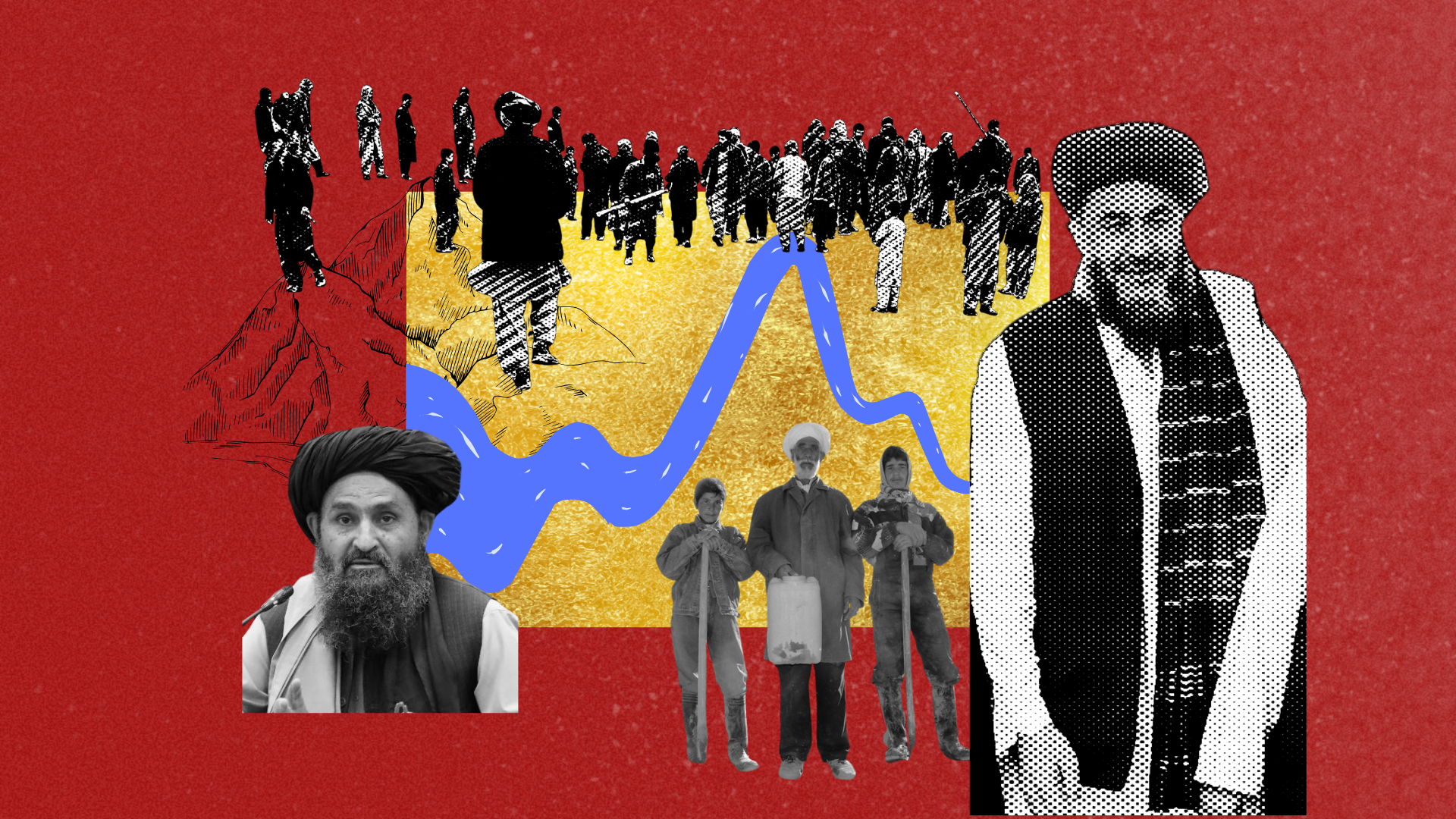
Rivers, land and livelihood: the cost of Afghanistan’s gold mining
Gold mining in Afghanistan’s northern provinces of Badakhshan and Takhar is rewriting rivers and borders. Locals, researchers and former officials describe land grabbing, poisoned water and a landscape transformed by the Taliban and the foreign firms operating alongside them.

How old phone networks became tools for modern surveillance
The rapid expansion of the digital landscape since the early 2000s has brought growing threats to our freedom and privacy online. As users, we have the right to understand what personal data we unknowingly surrender in exchange for access to modern technologies and their services. In this report, we will see how legacy infrastructure is still being used until today that exploits and takes advantage of users' privacy in the form of surveillance.
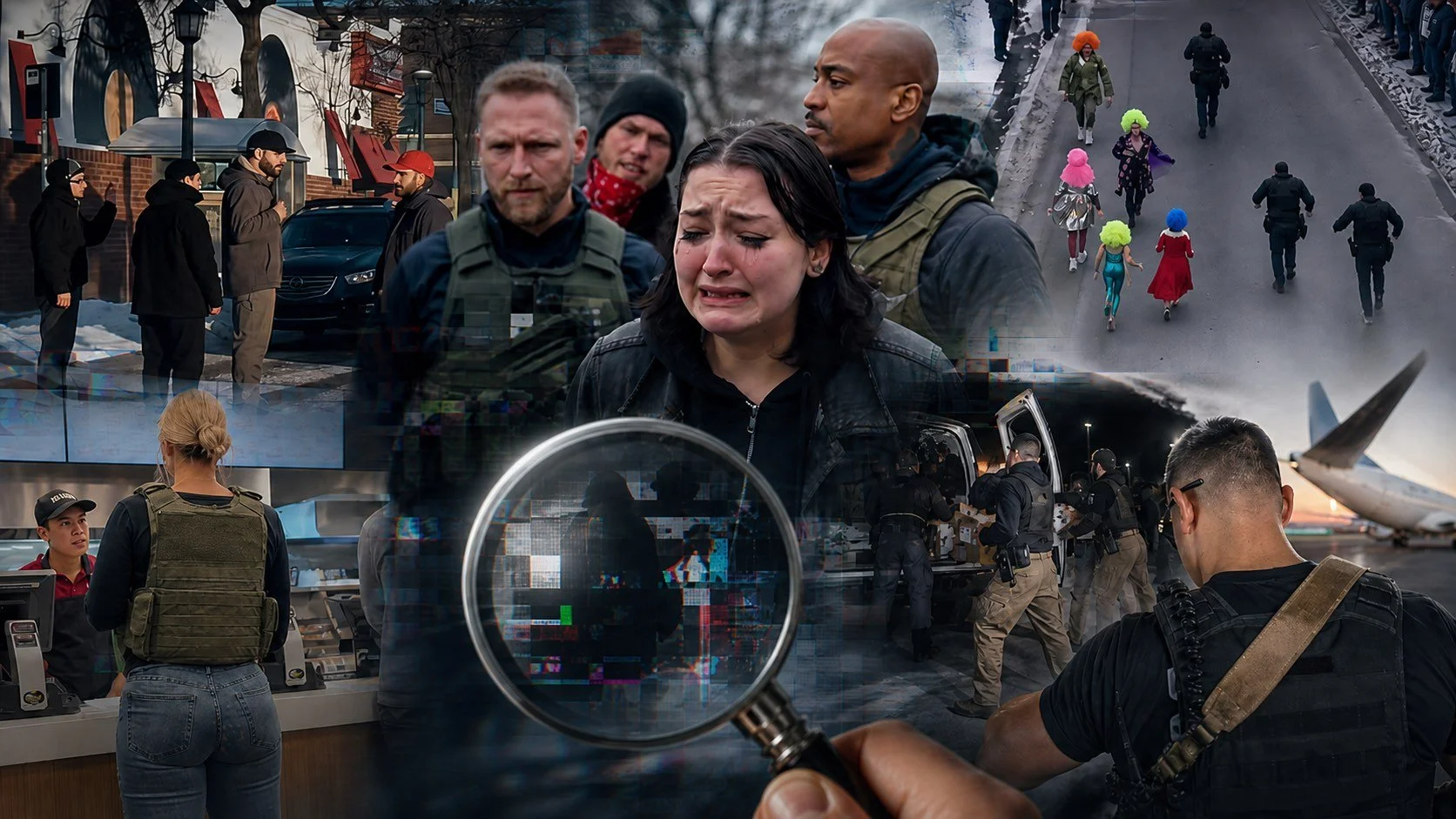
Explainer: how to spot AI-generated law enforcement videos
After the third federal-agent-involved shooting in Minneapolis, videos claiming to show federal agents confronting protesters or investigating local businesses spread quickly across social media.
Some footage was real; others were AI-generated, altered, or reposted without context, often meant to provoke outrage rather than inform.

Green branding but dirty sourcing: How selective disclosure sustains the clean energy transition while exporting harm
As governments and corporations accelerate the clean energy transition, electric vehicles, wind turbines, and battery storage systems are increasingly framed as unambiguous climate solutions. Corporate sustainability reports and policy briefings praise emissions cuts and ‘responsible sourcing.’
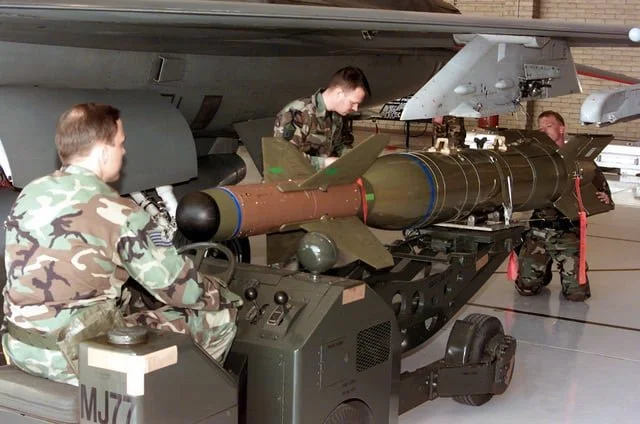
How “Precision Strike” became the go-to word of modern war
After the most recent developments in the world, particularly regarding military operations, there is one term that we hear quite often. But perhaps, we have not paused to think of how and why it has become the go-to term for military operations. That term is “Precision Strike”.
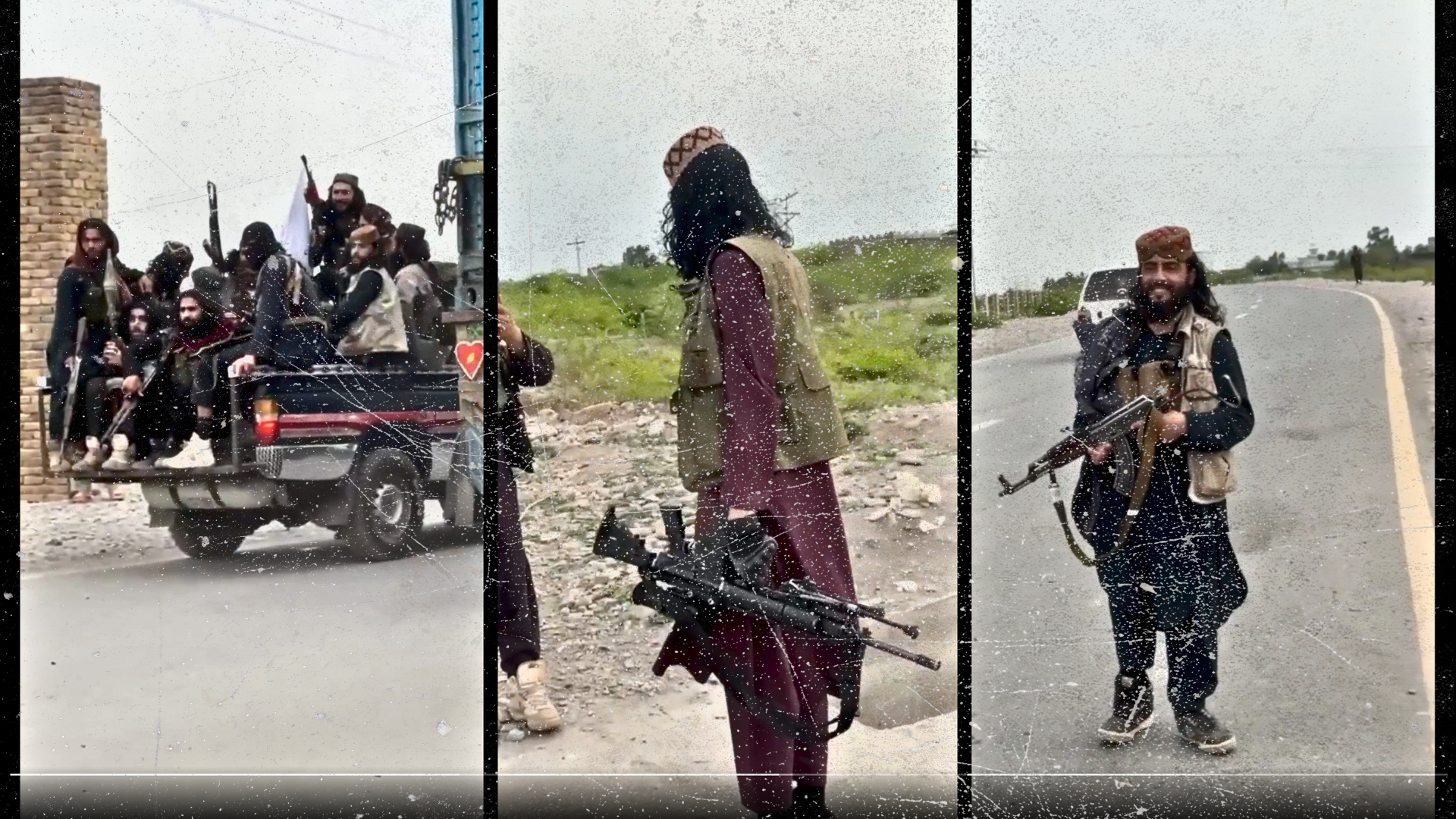
Geolocated: suspected TTP fighters filmed operating checkpoint near Peshawar
On March 10, 2026, a video circulated online reportedly showing members of Tehreek-e-Taliban Pakistan (TTP, also known as the Pakistani Taliban) operating a checkpoint at a crossroads in the middle of the day. The location was claimed to be in the Hayatabad suburb of Peshawar, Pakistan.

Mines, money and middlemen: inside the Taliban’s resource deals with Beijing-linked firms
This report examines the partnerships between Chinese-linked companies and Afghan entities involved in the Amu Darya oil project and the Samti gold mine that are suspected of operating in association with Haji Bashir Noorzai. It explores allegations that allude to Noorzai functioning within these ventures and evaluates how opaque corporate structures, claims of political patronage and sanctions-era financial systems shape Afghanistan’s natural resource sector.
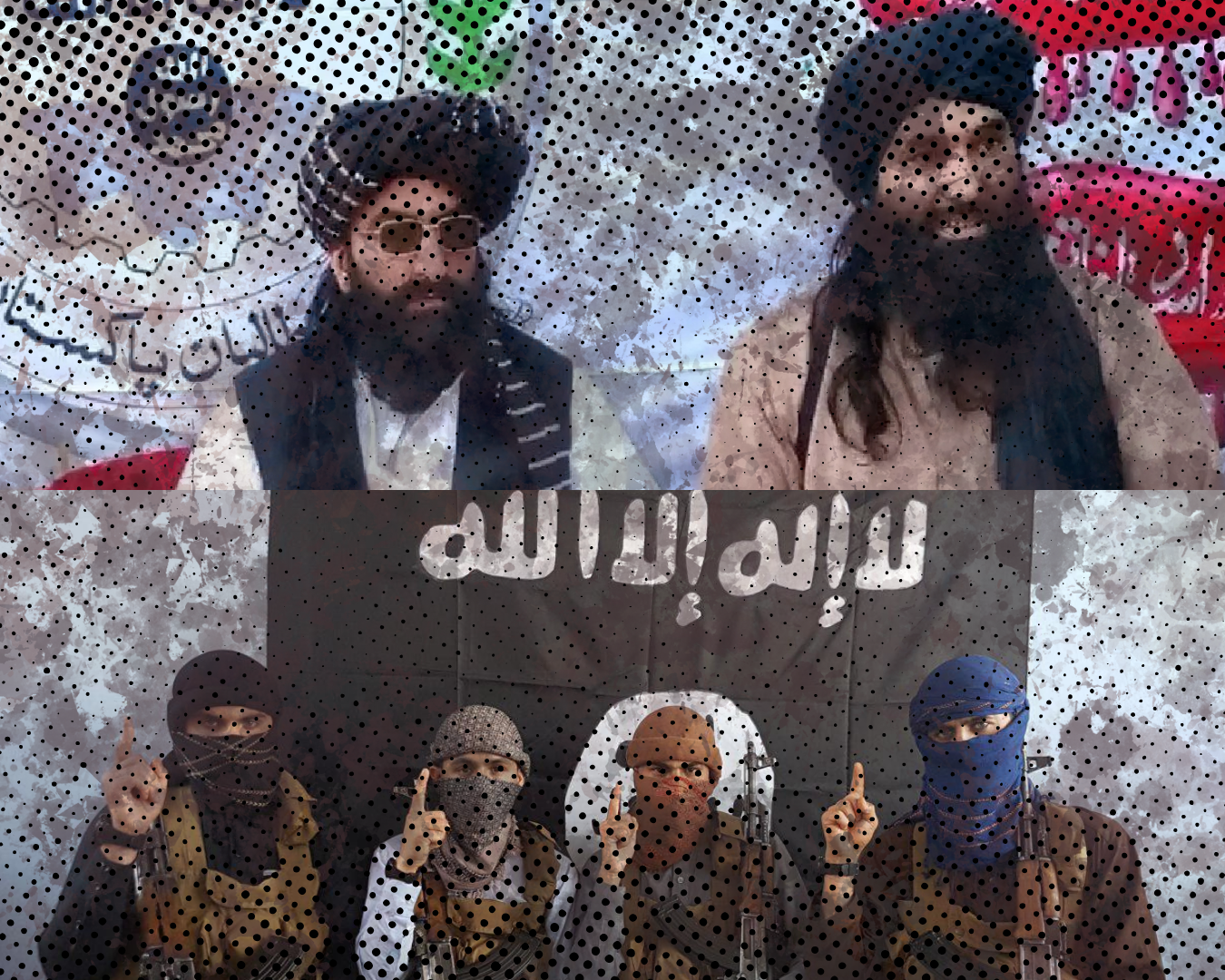
Afghanistan after 2021: how IS-KP and TTP are reshaping the militant landscape under Taliban rule
After the fall of the Afghan republic in 2021, IS-KP has emerged as the most dynamic militant group operating from the Afghan territory, showing the most interest in orchestrating attacks abroad.
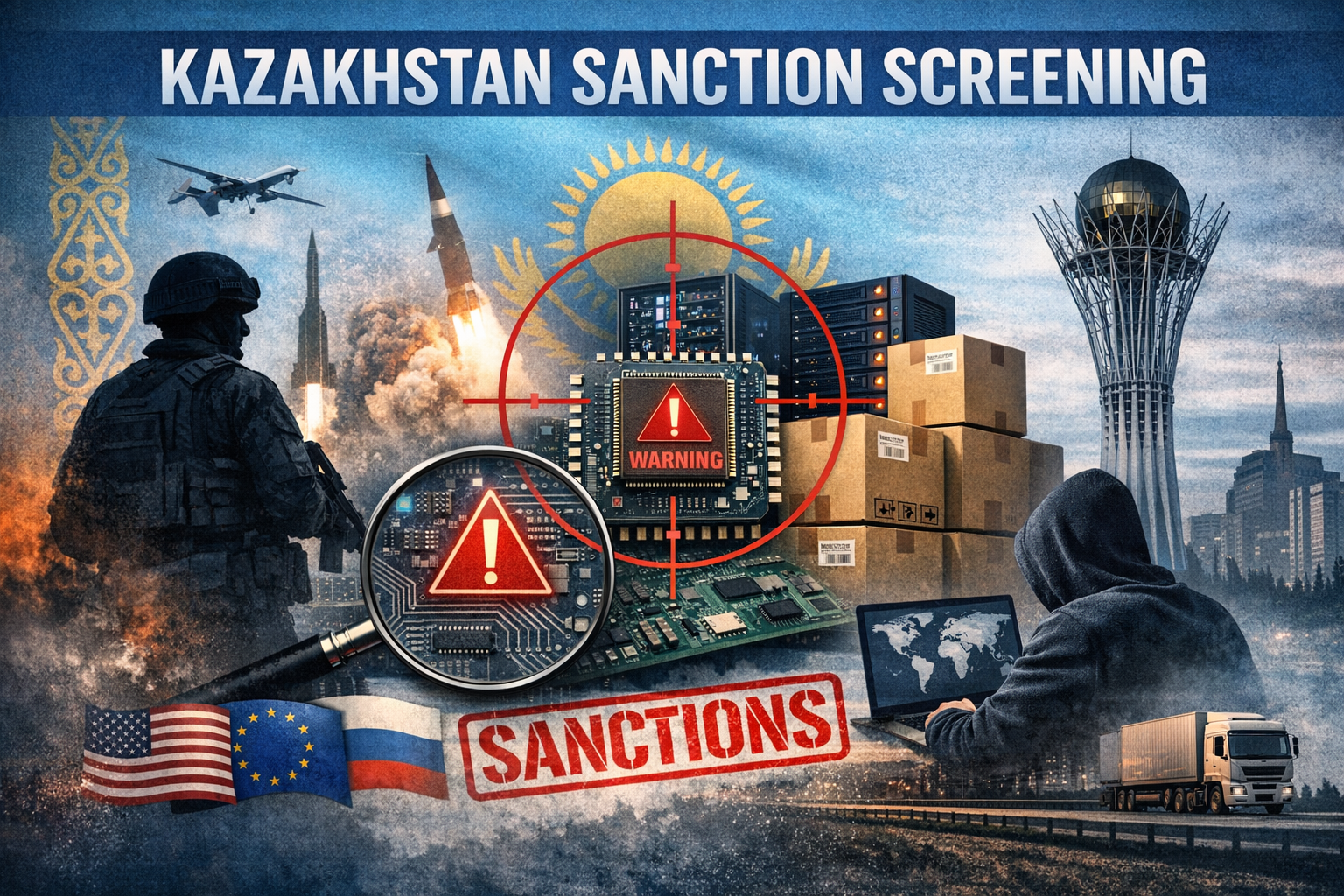
Sanctions exposure in Kazakhstan
new Intel Focus investigation highlights continued sanctions-related risks linked to Kazakhstan’s trade in sensitive electronic goods, underscoring how post-2022 export controls remain vulnerable to circumvention.
The report focuses on dual-use goods, commodities that have legitimate civilian applications but can also be repurposed for military use. At the centre of the analysis are electronic integrated circuits and microchips classified under HS code 8542, alongside related items such as advanced computing components and telecommunications equipment. These goods are prioritised under US and EU export control regimes due to their relevance to weapons systems, intelligence platforms, surveillance technologies and unmanned systems.
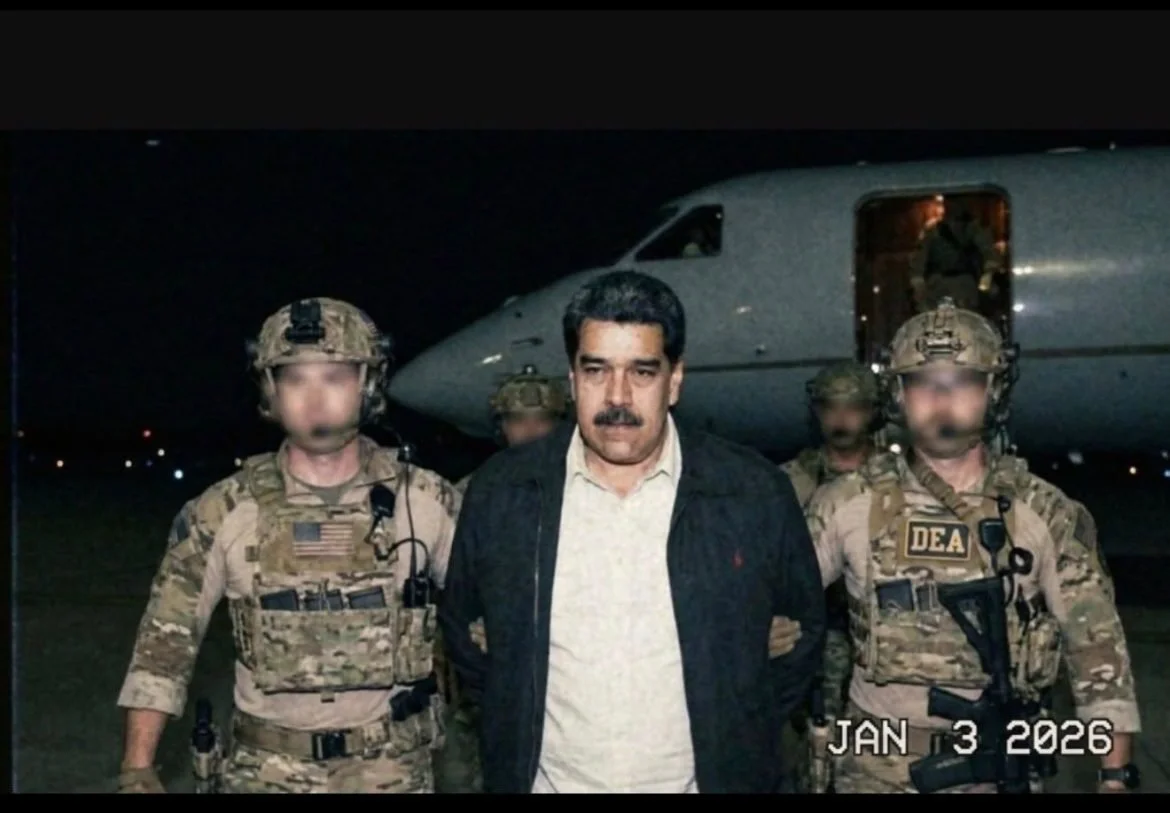
Fact check: why the image claiming to show Nicolás Maduro’s capture cannot be verified
An image circulating online claims to show the Venezuelan President Nicolás Maduro captured during the US operation in Caracas. Despite the Trump administration having confirmed the capture, they have not posted an official photograph. Intel Focus has examined the circulated image and identified multiple red flags that cast serious doubt on its authenticity.
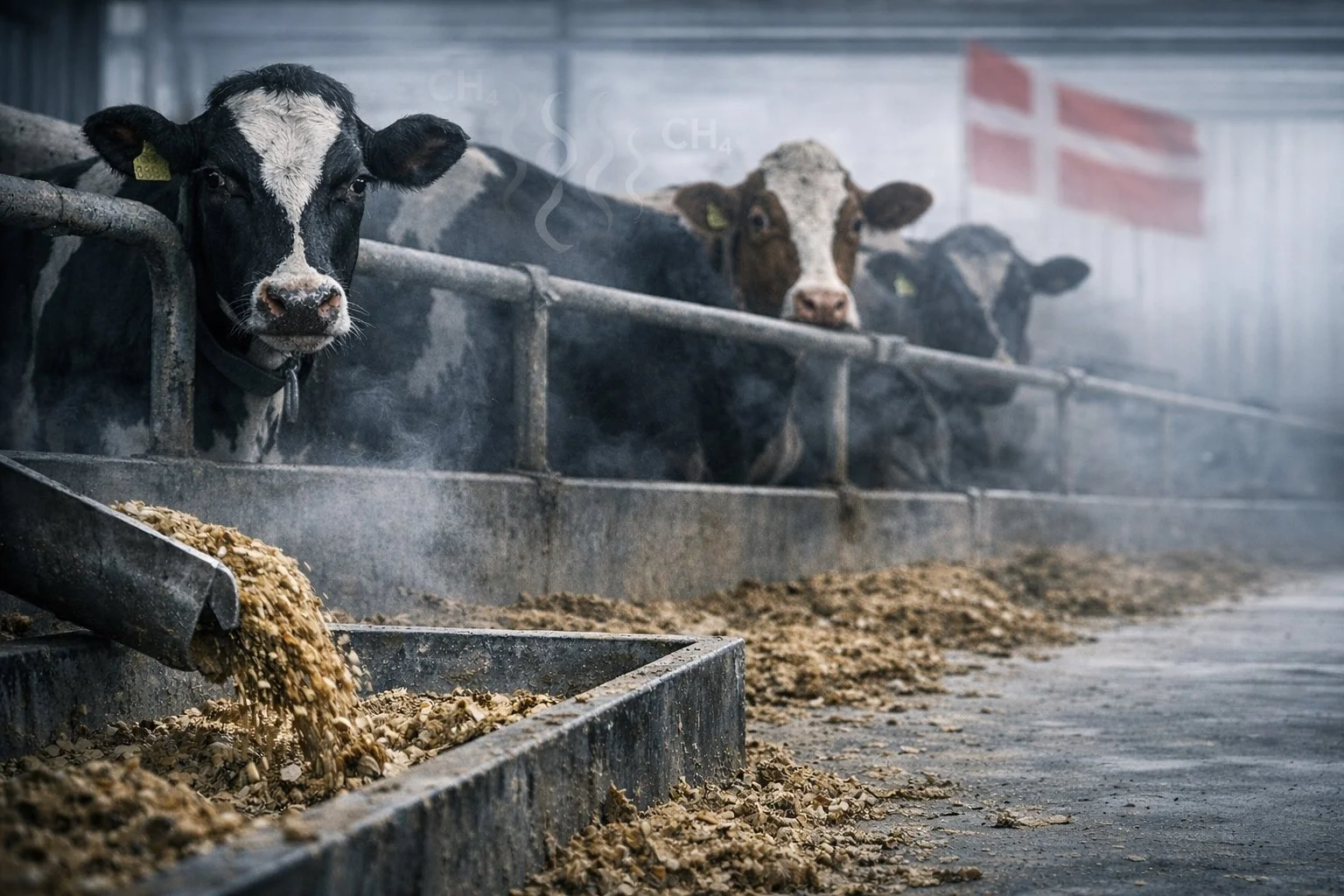
Dead cow claims trigger controversy in Denmark
In recent weeks, claims from Danish farmers alleging that their cows are falling ill due to the feed additive Bovaer have gone viral on social media. These unverified reports, which are viewed with scepticism by scientific authorities, have led to sensational portrayals and disinformation online, causing concern among both consumers and farmers.
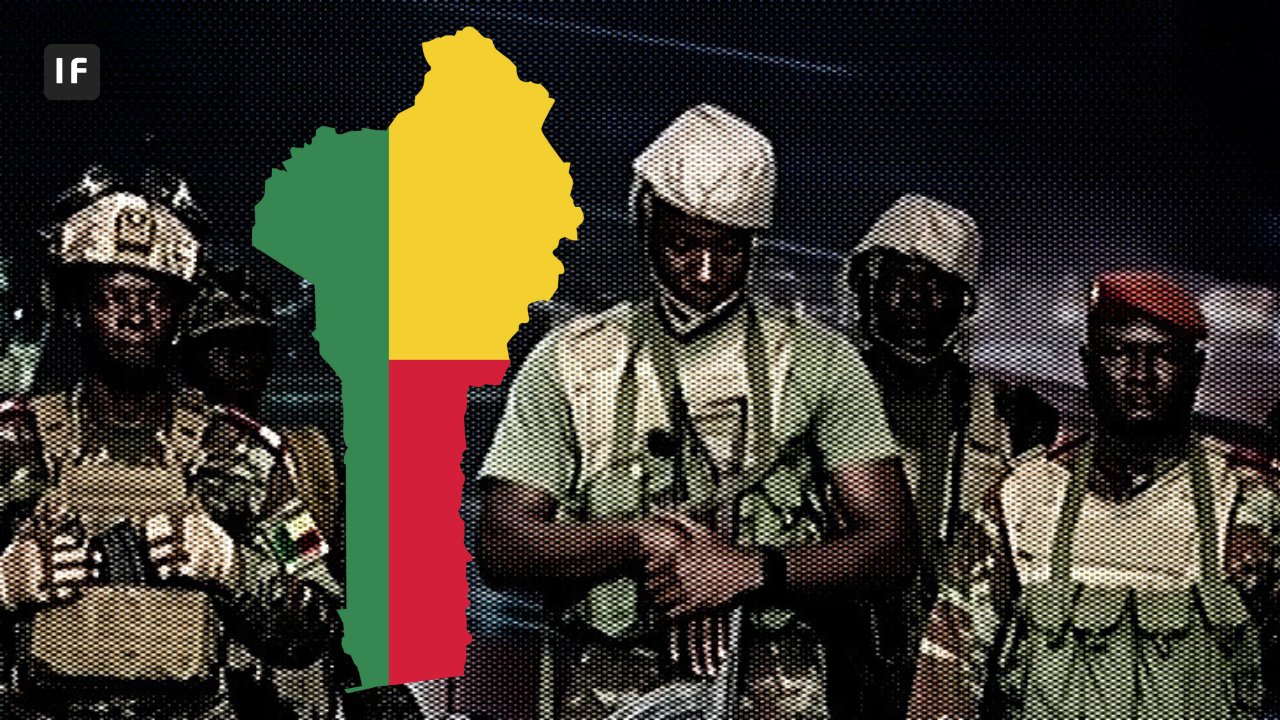
Benin’s Abortive Coup and the Commander Who Led It
On 7 December 2025, a group of armed soldiers in Benin briefly seized the national broadcaster in Cotonou, announced that President Patrice Talon had been removed, and declared the creation of a “Military Committee for Refoundation” within hours, the government said loyal forces had foiled the coup and restored control, calling it a mutiny by a small faction rather than a full-scale takeover.
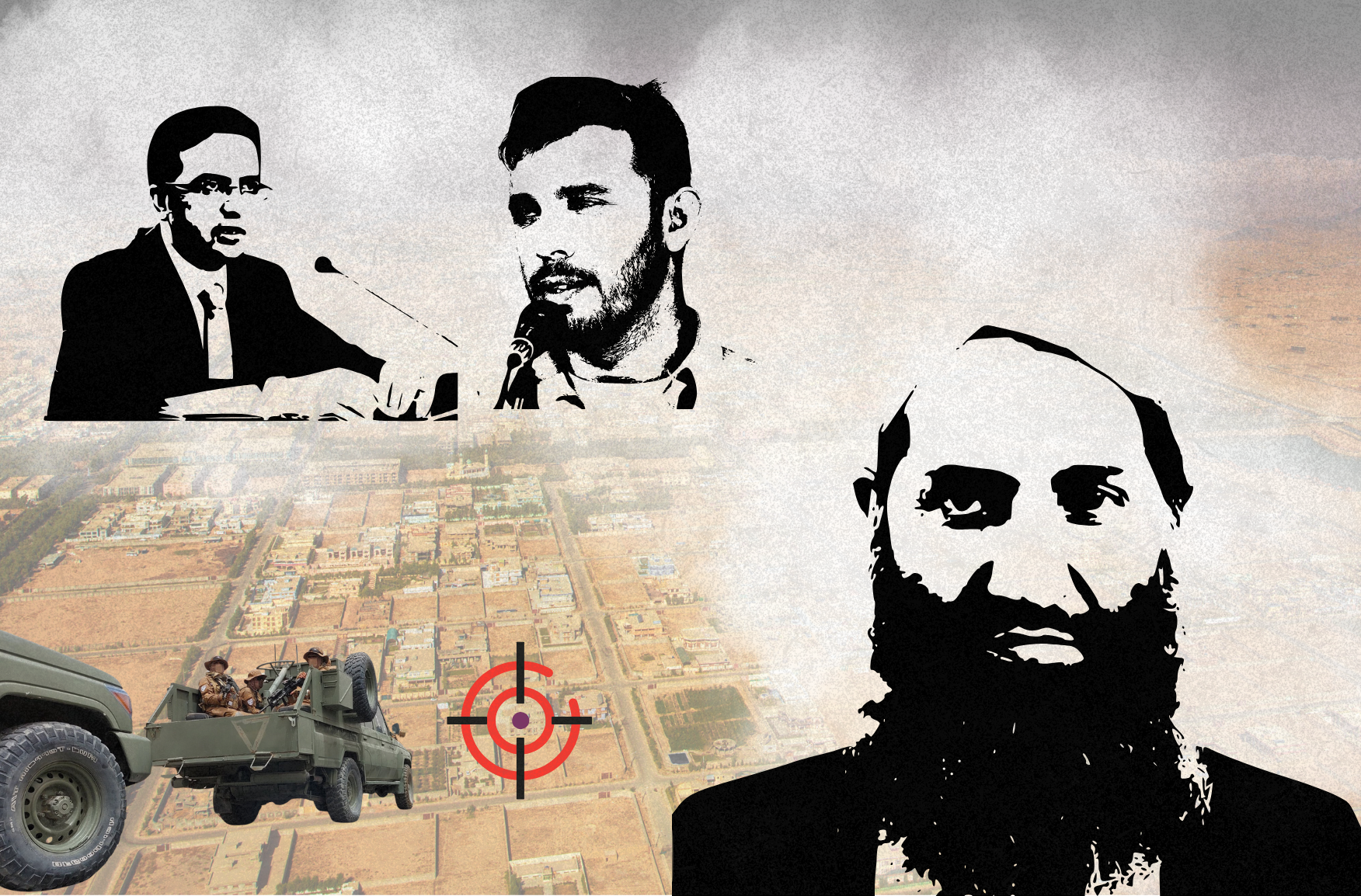
OSINT reveals Taliban Supreme Leader’s location
The report provides an in-depth geospatial and open-source analysis of multiple high-security compounds in Kandahar, believed to be linked to the Taliban’s Supreme Leader, Hibatullah Akhundzada. Using satellite imagery, open-source data, and verification techniques, the investigation identifies patterns of movement, fortified structures, and the leadership’s security apparatus in southern Afghanistan.
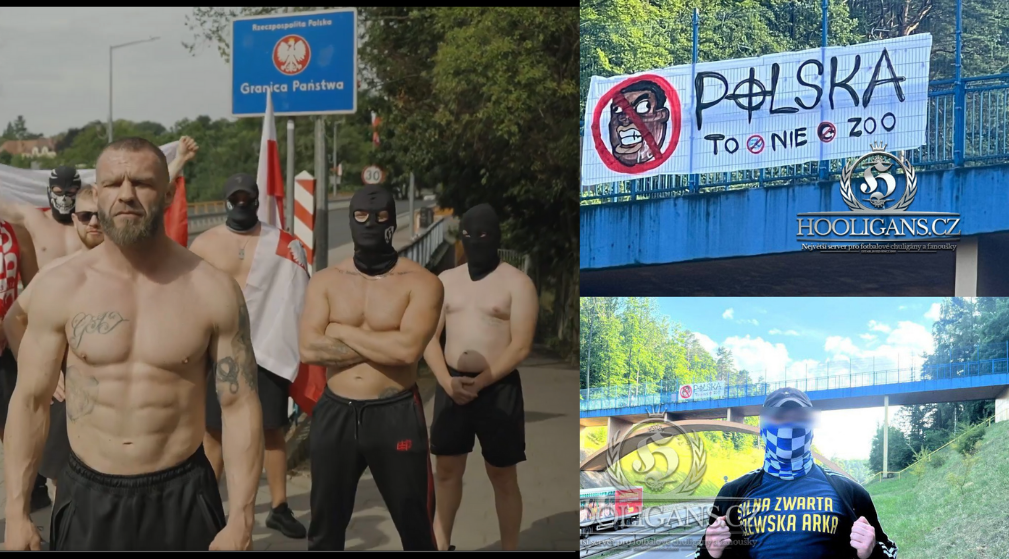
Poland's New Border Vigilantes and the Aesthetic of Nationalist Self-Staging
How right-wing extremist fan groups stage migration as a threat and mix online propaganda with physical presence.

When Truth Looks Like Misinformation: Nazi Salutes Witnessed at Bangladesh’s Gaza Protests
During the April 2025 Gaza protests across Bangladesh, a photo showing Nazi salutes allegedly performed by demonstrators in Dhaka sparked global outrage and debate. While pro-Israel accounts and Bangladeshi political figures used the image to link the protests to Islamic extremism, Intel Focus's investigation confirmed the photo's authenticity but found no evidence of widespread extremist involvement. The incident highlights how real events, amplified by misinformation and political motives, can blur the line between truth and propaganda in the age of digital disinformation.

Debunked: how nationals of Afghanistan are labelled as Mossad agents
Over the past few days, several Iranian outlets and social media channels circulated reports of the Islamic Revolutionary Guard Corps (IRGC) and Basij forces arresting alleged Mossad-linked operatives inside Iran. Among them, nationals of Afghanistan have been repeatedly highlighted—yet much of this narrative appears to be based on misinformation, exaggeration, and recycled images.

Escalation of Israeli Ceasefire Violations in Southern Lebanon
Following the ceasefire agreement between Israel and Hezbollah on November 27, 2024, in May 2025, violations of the ceasefire agreement sharply surged, primarily in southern Lebanon, an area partially under Israeli occupation.

How the Pahalgam Terror Attack Survivor Received Online Hate
Open‑source monitoring after the Pahalgam attack shows a rapid surge of hostile social‑media content targeting survivor Himanshi Narwal. Hindutva‑aligned accounts allegedly accused her of conspiring with terrorists and used misogynistic slurs when she reportedly spoke out against the Hindu‑Muslim division.