Rivers, land and livelihood: the cost of Afghanistan’s gold mining
Author & Investigator: Ava Gough
Disclaimer: This report was conducted solely using OSINT. Due to our inability to contact Afghan residents whose claims are included in this piece, their anonymity and the restrictions on press freedom in Afghanistan, we acknowledge the impact this has on our ability to discern their individual credibility. While we cannot confirm their statements regarding the exact entities and individuals believed to operate in the mining areas in our report, the locals’ claims regarding environmental damage caused by miners closely align with what researchers, media outlets and former Afghan officials have said, as well as with what satellite imagery has shown.
Earlier this January, gold mining in Afghanistan’s northern provinces of Badakhshan and Takhar received an influx of media coverage following protests in Samti, an area with ample gold deposits in Chah Ab, Takhar. Armed with sticks and stones, the residents fought against the Taliban and the mining companies exploiting their land for the metal, reportedly resulting in deaths and injuries amongst community members and a Taliban guard.
While the boldness of their revolt was particularly notable, it was not the first time locals have objected to such activities. When speaking to outlets about their frustrations over the operations in recent years, residents from both provinces have often cited growing damage to their communities and livelihoods stemming from the land encroachment and environmental destruction led by gold miners and the Taliban.
این ویدیوها نشان میدهد که طالبان اعتراض مردم محل را در معدن طلای سمتی تخار با گلوله پاسخ میدهند و مردم خشمگین تجهیزات شرکت استخراج طلا را آتش میزنند.
جزئیات بیشتر در این لینک: https://t.co/yZ7XTzPtOW#OXUSTV #اکسوس pic.twitter.com/KAaT6q1XTY
— OXUS TV (@oxus_tv) January 6, 2026
Their concerns about the projects have also been expressed by former Afghan officials and researchers, who highlight the role of both local and foreign entities in the harmful mining practices condoned by the Taliban and their associates.
As shared in our previous report on the sector, Mines, money and middleman, inside the Taliban’s resource deals with Beijing-linked firms, communities in Chah Ab have claimed that Haji Bashir Noorzai, a former drug trafficker and Taliban loyalist, is associated with Chinese-linked operations in Takhar. His involvement has not been officially confirmed, but a joint-venture contract signed in 2023 with a Chinese entity(s) for the Samti mine can be found on the MoMP website.
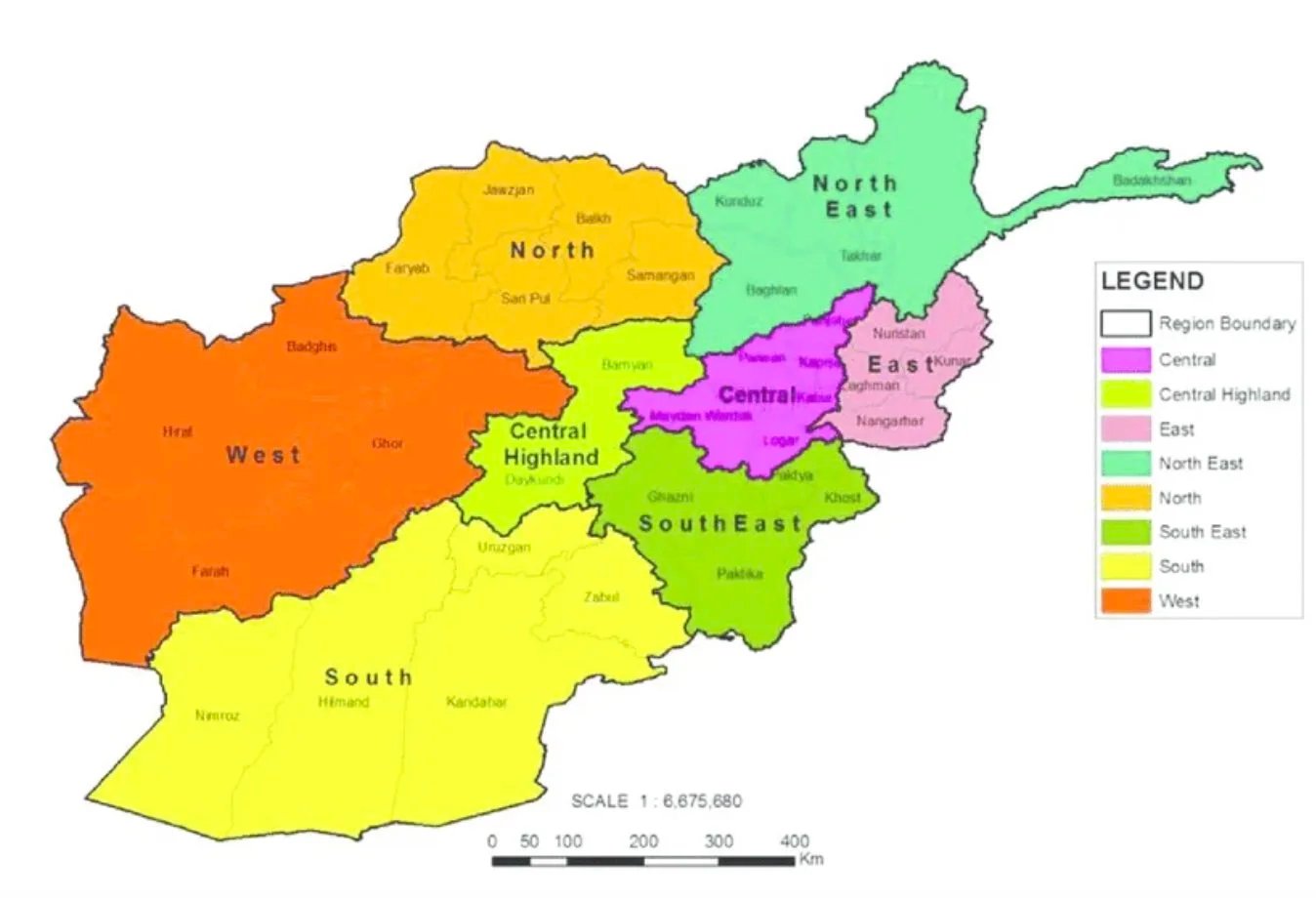
Additional reports on northern gold mining also point to the presence of Chinese and other international firms functioning alongside Taliban cronies in Badakhshan, although evidence of formal agreements there remains sparse. Small-scale and local mining is said to continue in these provinces as well, but it appears that a majority of the documented environmental and land-related grievances are primarily directed towards foreign collaborations.
This report further examines claims regarding those associated with gold mining in the two provinces, the current extent of the environmental damage they have caused and the potential mining methods contributing to these issues as a continuation of our previous coverage on the sector.
Behind the protests and gold mining grievances
Amidst the January 2026 protests in Chah Ab, RFE reported that residents claimed the disputes were sparked by a gold mining company digging on agricultural and residential land. In reference to the same protests, Afghanistan International said local sources expressed frustration over the environmental damage and water shortages they claim were caused by unchecked extraction activities conducted by at least three companies allegedly involved with Noorzai. Their article also noted that residents torched mining vehicles and equipment, mimicking AMU TV’s recording of the events.
In their report on the Samti protests, Hasht-e-Subh said a resident claimed that they initially approached the Taliban with their concerns, stating that the gold mining excavation and land grabbing dried up their water wells, leaving the community facing severe shortages.
“We went many times to complain, but neither the companies nor the Taliban paid attention. People had no choice but to protest and attack with stones and sticks, and that is when the company owners fled,” the source told the outlet.
Another resident who spoke with them said the company owners are from Kandahar and act as “commission agents” for Chinese mining companies.
In February 2025, a similar, yet more subdued protest over the same mine was documented. A video of a local elder addressing demonstrators was posted to X by a freelance journalist and the Independent Persian, in which he described their actions as peaceful and accused unidentified companies in Samti of destroying their forests and damaging their environment.
بیش از ۱۰۰ تن از ساکنان منطقه سمتی در شهرستان چاهآب استان تخار، در اعتراض به حضور و نقش گسترده افراد غیربومی در استخراج معادن طلا تجمع کردند.
✍️واجد روحانی @Wajedrohani1 https://t.co/mLphifjTgm pic.twitter.com/J5TgM3oHDW
— IndyPersianAfg (@IndyPersianAfg) February 10, 2025
In Badakhshan, grievances about land exploitation and environmental damage have also been expressed. A Centre for Information Resilience (CIR) report from February 2025 highlighted unrest that broke out in Shahr-e-Bozorg, which they said was initiated by a dispute over gold mining land ownership between the Taliban and a former jihadi commander. The conflict reportedly resulted in the Taliban opening fire on civilians so they would not take charge of the land.
این ویدیو را یک باشنده بدخشان، از درگیری نیروهای طالبان با باشندگان شهر بزرگ بر سر زمین یک معدن فرستاده است.
پیشتر منابع گفتند که در درگیری روز دوشنبه، محافظان والی و فرمانده امنیه طالبان به روی یک باشنده محل شلیک کرده و او را به قتل رساندهاند. pic.twitter.com/rFbpZvO6Y8
— افغانستان اینترنشنال (@AFIntlBrk) February 4, 2025
CIR also noted protests in Shahr-e-Bozorg from January 2025 that were documented by Afghanistan International and 8AM. According to these sources, locals in Shahr-e-Borzorg claimed their resources and land were being taken advantage of by the Taliban, their relatives and associates who received mining contracts, some near the Amu Darya River, a largely important water source in Central Asia.
The CIR report did not mention complaints about foreign companies, but a December 2025 article by 8AM and the above RFEpiece from January 2026 noted Chinese-backed mining present in both provinces, as well as their impact on northern rivers. RFE also said locals in Shahr-e-Bozorg had their mining activities taken over by larger operations with heavy machinery controlled by the Taliban and Chinese partners, noting a shift towards more industrialised operations. The workers the outlet spoke with claimed that large areas became shut off from locals, keeping them away from land and water they depend on, some of which have allegedly been destroyed.
More recently, there have been reports of internal clashes within the Taliban as well as continued frustrations from locals regarding control over gold mines in Badakhshan. On May 20, 2026, AMU TV tweeted about a Taliban military unit being deployed to the Shukai District of Badakhshan in light of the escalating tensions in the province. 8AM published a report two days earlier on May 18, 2026 detailing the tensions in Badakhshan, specifically in Darwaz, surrounding the mining operations and Taliban members causing a ruckus.
جدال بر سر معدنهای طلای بدخشان
رییس معادن طالبان تایید می کند که شماری از معدنها در اختیار افراد مسلح قرار دارند. pic.twitter.com/9LLoQdOuXJ— Amu TV (@AmuTelevision) May 20, 2026
Former Attorney General, Mohammad Farid Hamidi, was one of the first to express his take on the matter. In a portion of his post, he said that the current mining practices lead to the destruction of healthy environments and create irreparable damage to nature. He specifically referenced the deaths of “compatriots” in Shahr-e-Bozorg, Badakhshan and Chah Ab, Takhar, condemning the “mining mafia,” and other actors involved in it.
His tweet was followed by Afghanistan’s former Minister of Mines and Petroleum, Nargis Nehan, who said that mining can especially impact the environmental sector and that the rights of the indigenous people near the extractions are most important.
معادن سرمایه ملی و امانت چندین نسل است و حق مردم بومی در مناطقی که این منابع استخراج میگردند از همه بیشتر میباشد. استخراج معادن میتواند پیامدهای خیلی جدی و منفی مخصوصا در بخش محیط زیست داشته باشد و تاثیر مستقیم بر زندگی و معیشت مردم محل بگذارد. به همین دلیل تمامی کشورها برای…
— Nargis Nehan (@NehanNargis) January 6, 2026
Afghanistan’s former Minister of Refugees and Repatriation, Noor Rahman Akhlaqi, said that Takhar and Badakhshan’s gold mines are being plundered and looted. He also claimed there is a “gold mining mafia” in Chah Ab and said that the money made from the gold mines in both provinces has been consolidated amongst the Taliban.
Nasir Ahmad Andisha, Afghanistan’s ambassador to Switzerland, said that the two provinces are in crisis and that locals face threats and displacement while environmental destruction accelerates. Foreign interests and mafia groups were also mentioned, along with a comparison of Takhar and Badakhshan’s mining future to that in the DRC.
While not included in 8AM’s report, head of the Afghanistan Freedom Front political committee, Daoud Naji, said that Chinese companies plunder mines and do not adhere to extraction standards. His comments, posted on January 7, 2026, would appear to be in reference to gold mining protests in Takhar.
غارت معادن توسط شرکتهای چینی که حتی استانداردهای لازم استخراج را رعایت نمیکنند، معنیش استقلال نیست بلکه لیلام کردن ثروت ملی است، ثروتی که بیش از هرکس دیگری متعلق به مردم محل است. ثروتی که نه به بودیجه عمومی سرازیر میشه و نه به سفره مردم میرسه. این چپاول دارایی عامه است.
— Daoud Naji (@thedaoudnaji) January 7, 2026
Assertions from locals and former officials regarding specific entities or individuals involved in these mines may not be officially proven, but research revealing the mining’s environmental destruction, seen primarily in rivers, aligns with their narratives on land and resource damage.
Environmental degradation to northern rivers
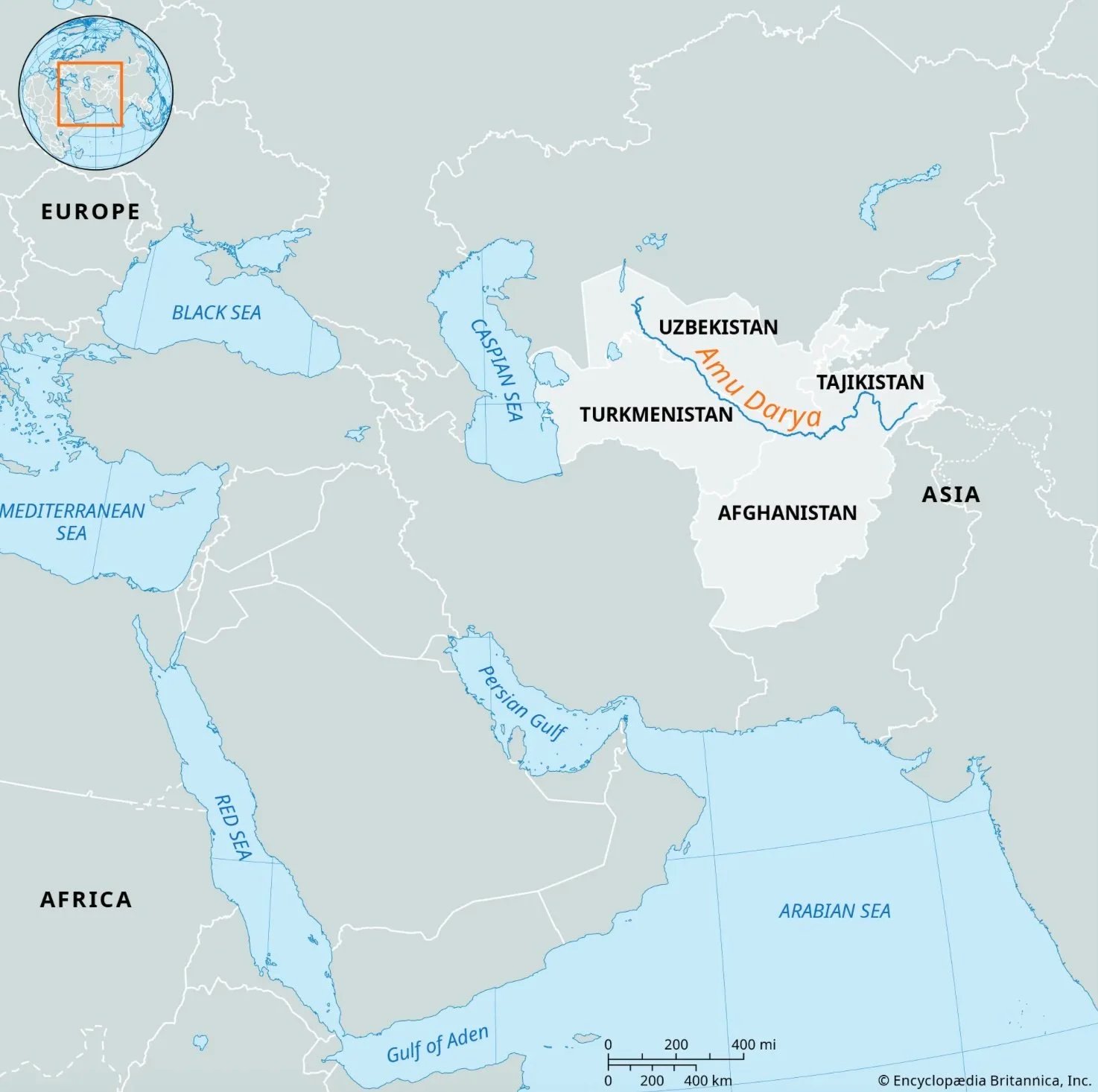
Last April, Dr. Najibullah Sadid, an Afghan water resource and environment researcher, shared satellite imagery of the Amu Darya and Panj River from 2023 to 2025 on X. The Panj is a large tributary to the Amu Darya, a vital water source used by Tajikistan, Afghanistan, Turkmenistan and Uzbekistan, and acts as a natural border between Afghanistan and Tajikistan.
In his post, Sadid said, “#Gold mining is changing the landscape of the mighty #Amu/Panj River in northern #Afghanistan. Animation shows how parts of floodplains are turning into gold mines, impacting the river morphology, environment & people. Taking care of the environment should be a priority while mining.”
#Gold mining is changing the landscape of the mighty #Amu/Panj River in northern #Afghanistan. 👇 animation shows how parts of floodplains is turning into Gold mine, impacting the river morphology, environment & people. Taking care of environment should be priority while mining. pic.twitter.com/QfTSdWizVD
— Najibullah Sadid 🇦🇫 (@NajibSadid) April 27, 2025
This February, Sadid referenced his 2025 post and said that the environmental degradation caused by extensive gold mining in the Panj is severe, noting its shift towards Tajikistan.
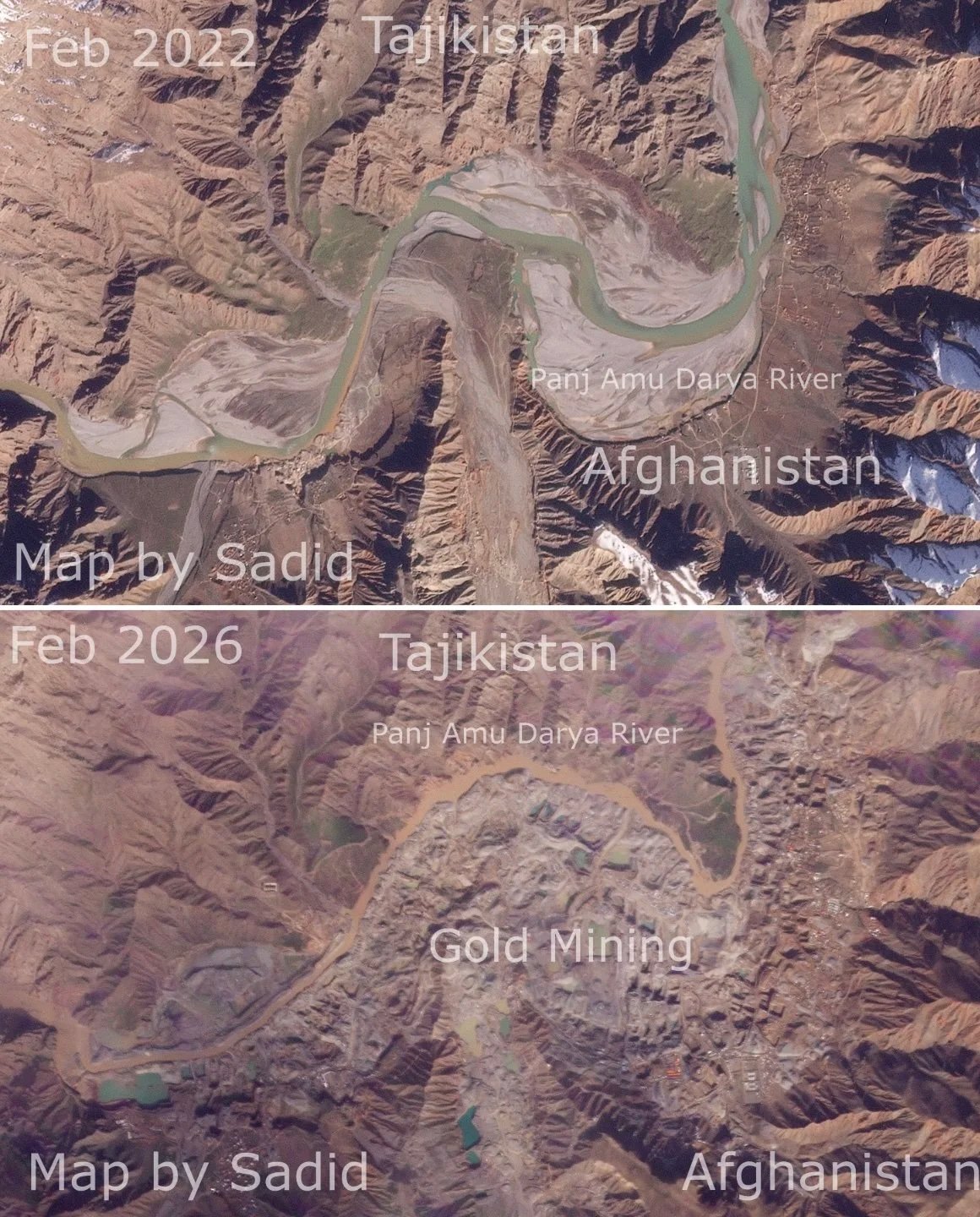
Foreign Policy analysis by Sarah Godek, a research associate with the China program at the Stimson Center, also highlighted the change in the course of the river. She said its shift caused the clashes between the Taliban and Tajik border forces in August 2025 and that it is due to the Chinese mining expansion and river dredging for gold.
Godek elaborated on the involvement of Chinese nationals in gold mining, saying some operations are legal while others are not, and that, “The influx of inexperienced investors has resulted in a sense of lawlessness, with local Afghans clashing with both Taliban and Chinese miners in [northern Afghanistan] mostly over mining rights.”
Mining methods damaging Badakhshan’s water sources
Recent research has shown that artisanal and small-scale gold mining (ASGM), typically conducted by local Afghan miners, has also caused damage to rivers in the north.
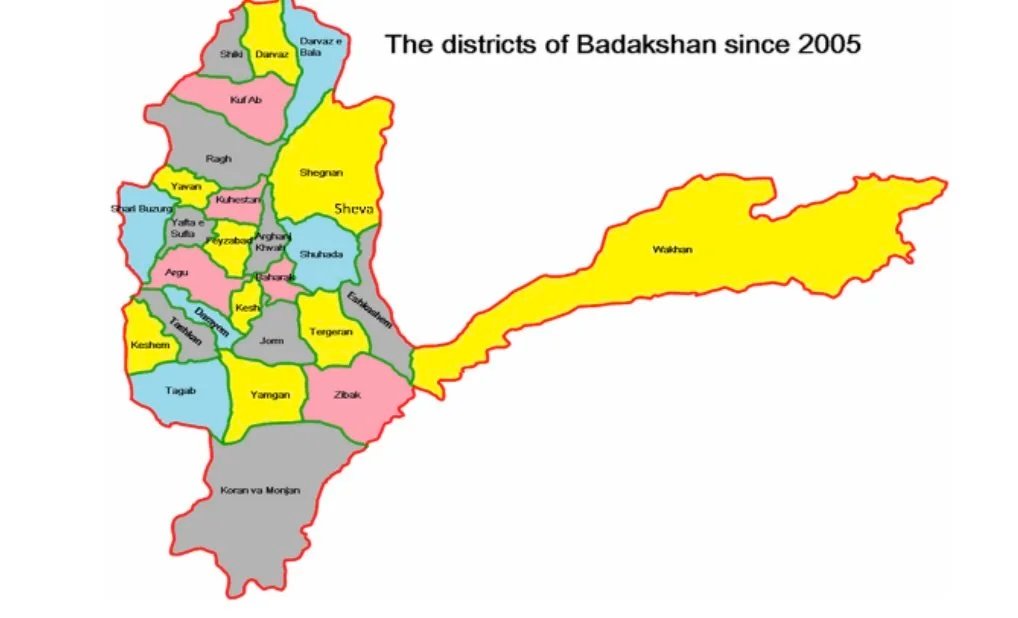
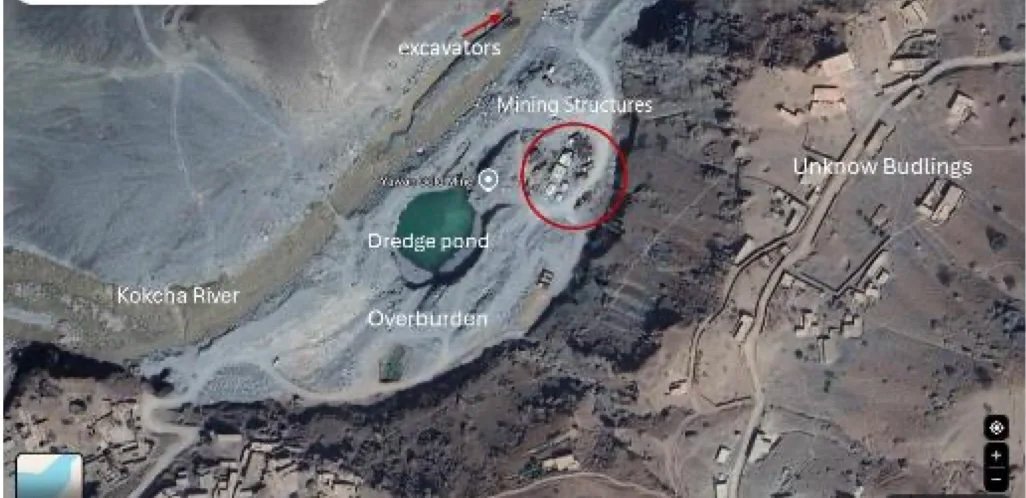
In April 2025, Shahla Muram, an Afghan mining engineer, published her thesis for the University of British Columbia on the impact of ASGM on water sources in Badakhshan, which included interviews with miners, community members, ASGM company owners and mining engineers. Her report primarily focused on the Yawan, Sheva and Fayzabad districts, and revealed that mining pollution in the Kokcha and Sheva rivers mainly stems from riverbed (alluvial) and hard rock mining.
These mining practices release tailings and liquid slurry, made up of crushed rock, minerals, trace minerals, water and processing additives, which frequently include mercury and cyanide.
The 8AM article from December 2025, previously cited by CIR, said most of the mines in Badakhshan use chemicals like mercury and cyanide, and that when ingested, can result in major health consequences like neurological damage, kidney disorders, memory impairments and death in the worst of cases.
In The Diplomat’s January 2026 article on Muram’s research, co-authored by Muram herself, they said a Badakhshan resident claimed that the chemical contamination in the rivers is making it impossible to drink the water and that locals have seen a rise in diseases that could be attributed to their pollution, including kidney ailments, dental issues and digestive diseases.
Their report also noted that in addition to these problems, locals in Sheva have witnessed high levels of water scarcity and a decline in fish due to miners having built dams diverting river flows, in turn reducing downstream water availability and increasing evaporation. Not only does this pose a threat to Afghans near the rivers and mining sites, but potentially downstream communities too, given that rivers like the Kokcha, which has also dealt with mining waste, merge with the Panj, and then flow into the Amu Darya.
It could be assumed that with an increase in large-scale mining, as indicated by protests and RFE’s report alleging overtaken activities by Chinese and Taliban-liked groups in Badakhshan, these effects could be amplified if continued without regulation. The specific outcomes of mining with more advanced machinery and techniques may be different, though, due to the impact the mining deposit type, equipment used and approaches can have on water, as Muram noted in her report.
Underground mining with dynamite blasting serves as an example of this. Although used in both ASGM and industrial-scale mining, the impact of dynamite blasting for underground mining is said to worsen the previously detailed environmental problems, but according to The Diplomat, which says it directly affects things like groundwater, the extent of its harm remains uncertain.
In February 2026, the Taliban reportedly claimed to have expanded this practice across Badakhshan and Takhar, as mentioned in an Afghanistan International article. The Institute for Environmental Research and Education (IERE) said that underground mining, not specifically including dynamite blasting, mainly impacts air quality, water resources and land stability and can also alter groundwater flow patterns, reducing downstream availability.
Takhar’s water worries and mining mechanisms
Like Badakhshan, gold mining in Takhar has historically been done using informal techniques associated with ASGM, as well as industrial mining, near the Panj River. The Serious Organised Crime and Anti-Corruption Evidence (SOC ACE) said that the gold placer deposits in Takhar, including the Samti, occur in the floodplain of the Panj and along terraces above the river channel.
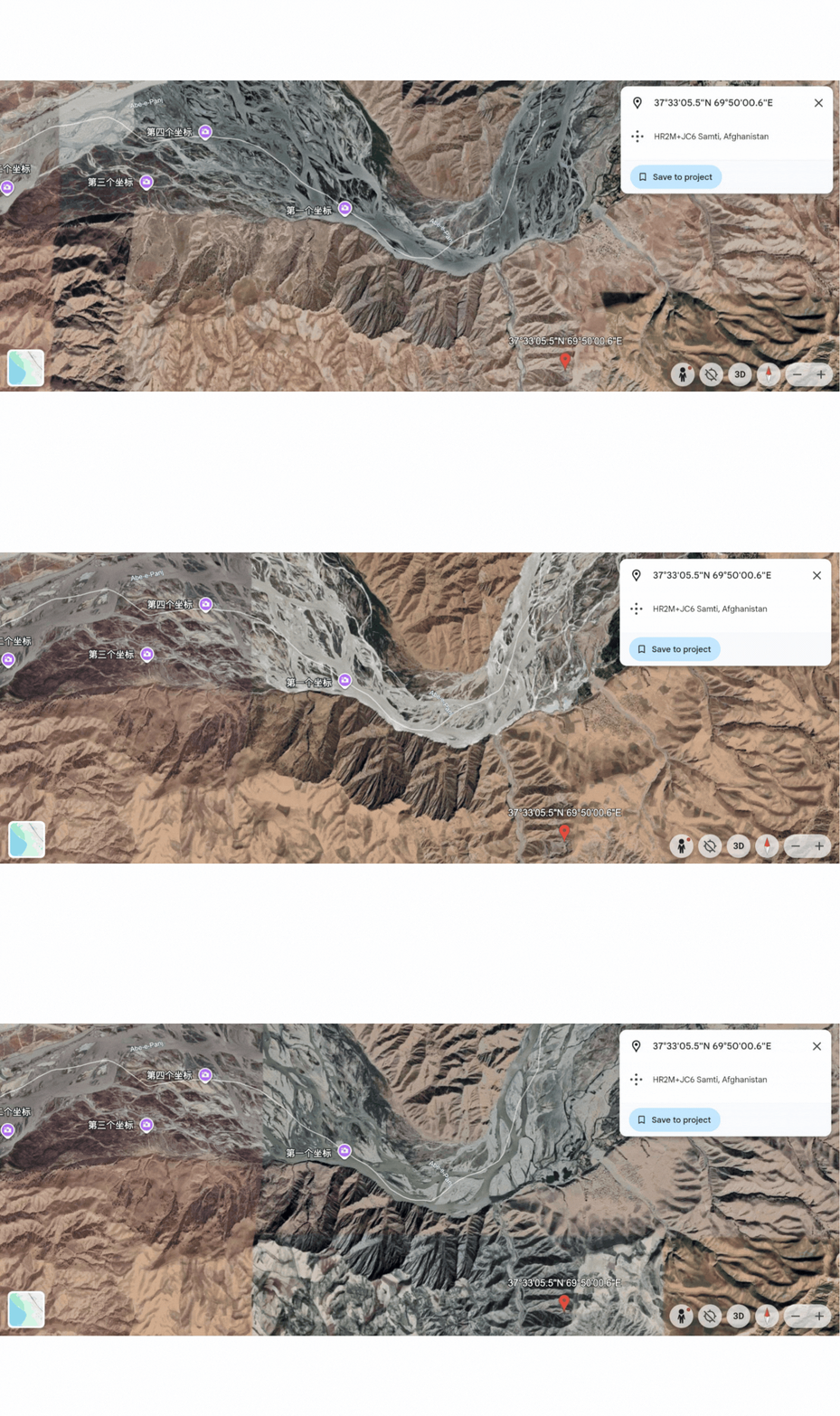
In his report for ThinkChina, Afghan mining expert, Javed Noorani, described the Samti deposit as a deep, rocky riverbed mine. This description, paired with sources’ claims about intense mining activities, the companies involved, details of dried water wells, environmental damage and the large trucks observed during the Samti protests, suggest more advanced mining than standard ASGM to be present.
More sophisticated methods like industrial-scale excavation or drilling-based extraction or exploration also have the ability to impact groundwater, alter and dry up riverbeds, contaminate water and more. If underground mining is implemented, as implied by Afghanistan International and The Diplomat, additional environmental damage may also continue to arise and could serve as another possible explanation for the dried water wells and shortages that have been reported.
While reports have not confirmed mining methods in Takhar, a resident of Chah Ab told AMU TV in January 2026 that the noise from the mining was making people sick, indicating high-energy operations.
As for the entities involved, January reports suggest foreign actors are primarily leading operations in Samti, or at least play a larger role in contributing to grievances and environmental harm than local miners. According to an unnamed Afghan contractor included in Afghanistan Analysis Network report from August 2025, major mining sites are given to foreign companies and do not allow locals or Afghan companies to engage.
Long-term effects of Afghanistan’s gold mining
With no interference from the de-facto government, Afghan communities will continue to face environmental challenges that will further impact their communities and livelihoods in a variety of ways, whether through water, air and noise pollution or land grabbing and resource barriers.
In addition to communities near rivers, it is possible that those downstream and in neighbouring countries could feel the effects of Afghanistan’s northern gold mining. If tributaries in Badakhshan are drying up, less will flow into the Panj and ultimately the Amu Darya, which Turkmenistan, Uzbekistan and Tajikistan also rely upon heavily. If the water that does continue to flow from the rivers near these gold mines carry chemicals, tailings, slurry or other forms of pollution, they have the potential to continue downstream, although they may become more diluted the further they travel.
While there was some speculation that Chinese firms and other foreign groups would make long-term withdrawals from Afghanistan following the fighting between the Taliban and Pakistan in February 2026, which would alleviate at least some of the impact of gold mining, it appears that may not have been, or is no longer, the case.
In April 2026, the same month China hosted a second round of ceasefire talks between Pakistan and the Taliban, 8AM released a report that quoted a local source who said that the gold mining in the area is dominated by both China and Turkey. Sayed Shah Goharpour, an environmental expert also quoted, doubled down on the intense environmental harm done by excessive mining.
While these foreign countries may still be involved, there is a chance their operations could be forced to pause momentarily in light of the intense floods that swept across the country in May 2026, including Badakhshan and Takhar.
Aamaj News, an Afghan outlet founded in 2019, tweeted on May 20, 2026 that workers near the Samti mine were trapped due to flooding and that the gold processing plants believed to be connected to Noorzai and “the Chinese companies” were destroyed. They added that Tajik sources told them that hundreds of workers on both sides of the river were stuck and noted the ambiguity surrounding the money made from these mines as well as the environmental damage the gold plundering has caused.
#خبرتازه
چپاول معادن تخار؛ کارگران در میان طغیان آب گیر ماندندمنابع به آماجنیوز میگویند لحظات پیش براثر سرازیر شدن سیلاب در معدن طلا سمتی، ولسوالی چاهآب ولایت تخار همه کارخانههای طلاشویی حاجی بشر نورزی و شرکتهای چینی از بین رفت.
به گفته منابع از این منطقه مرزی با… pic.twitter.com/NyyIoJwuGG
— Aamaj News (@aamajnews_24) May 20, 2026
While it is confirmed there was disastrous flooding in Takhar, we cannot independently verify specific companies or groups that have been impacted by them, nor whether any mining areas that were affected by the flooding belonged to any certain entity. The extent of the damage there and in Badakhshan and neighbouring provinces in the long-term is also unknown at this time. If the mining resumes and continues at the rate it has, the damage to the environment and the people will likely grow.
A 2024 investigation by RFE on the impact of mining in Tajikistan could serve as an example for Afghanistan of the long-term effects of unregulated or poorly executed gold mining. In their investigation, RFE revealed environmental damage in several Tajik villages, including Zarafshon, where residents cited health problems ranging from premature and stillborn births to respiratory illness, which they attributed to the growing air, water and land pollution they said was caused by the long-term Chinese gold mining operations.
While irreparable or long-term damage to parts of the environment in Badakhshan and Takhar may have already occurred, a change to the mining methods and regulations could potentially halt future displacement or health effects from rising across local communities. As summer approaches and climate change compounds the mining’s impact on Central Asia’s water stress, a change to the sector will soon be needed to combat water scarcity outside the country too. It is likely that pressure from foreign entities may be required to achieve this, given the implementation of ethics across sectors in Afghanistan has long been disregarded by the Taliban.
Request for comments & further inquiries: info@intelfocus.org
More investigations
View all
The apps that watch you: how stalkerware enables tech-facilitated abuse
Apps sold as parental control let abusers read a partner’s messages, track their location and stay hidden. Intel…

How propaganda travels across borders and online platforms
A comparison of how pro-Taliban, pro-Russia, pro-China and pro-Iran networks produce and amplify propaganda, and how organic and…
Insurgent attacks in southern Thailand: geolocation and analysis
Nine attackers, ninety seconds and two CCTV cameras. Intel Focus geolocates the checkpoint ambush that killed five Thai…